
Your car’s electrical system provides power for everything from its starter motor and infotainment screen. As soon as it starts failing, warning signs may range from subtle and easy-to-miss to impossible to ignore if problems arise early intervention could make all the difference between quick fixes or costly repairs down the line or being left stranded on the side of the road! New Expert Excellence Auto Repair‘s certified technicians specialize in diagnosing and rectifying complex electrical faults. From dashboard lights going wonky to batteries dying overnight, professional Automobile Electric Service provides safest and most effective way to restore vehicle to peak condition.
In this guide we explore some common signs your electrical system requires attention as well as why this should not wait!
Your Battery Keeps Dying
Dead batteries are among the most frequently reported electrical complaints among drivers. While batteries do have an expected lifespan (three to five years), frequent or unexpected battery failure may indicate deeper issues than simple wear-and-tear.
If your battery keeps dying after being fully charged, this could be caused by one or both of two issues:
1. An internal parasitic drain: Any component drawing power when your car is off
2. Faulty alternator: Failing to replenish it while driving Ultimately.
Corroded battery terminals Preventing proper electrical connection Jump starting your car several times every few days may not be a solution but is instead an early warning signal of potential battery drain.
Warning Lights Won’t Go Away on Dashboard
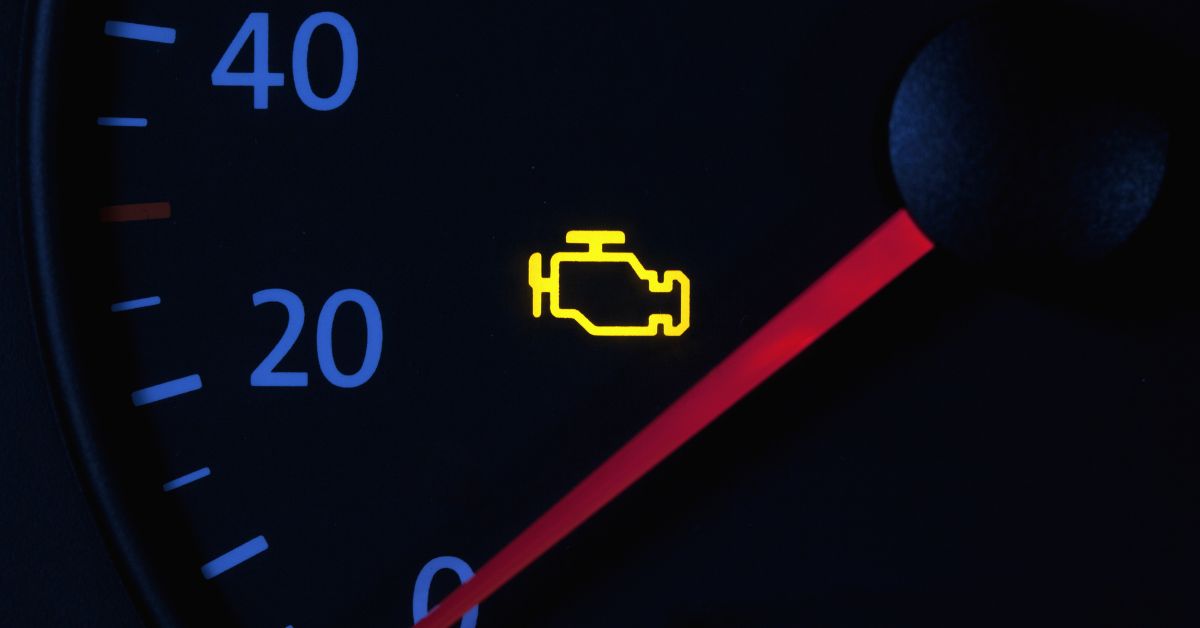
Modern vehicles use an intricate network of sensors and control modules to monitor everything from engine performance to tire pressure, so whenever there is something amiss with either, warning lights appear on your dashboard to alert drivers immediately. If something should go amiss, these indicators illuminate instantly so drivers know to react promptly if something should go amiss. Some lights, like the check engine light, may activate for numerous different reasons many related to electrical systems. A blinking battery light often indicates an alternator failing rather than battery issues an illuminated ABS warning light could indicate that there’s an issue with wheel speed sensors.
Reducing damage caused by these warning lights requires quick action; any time a fault goes undetected for too long can have adverse impacts on other components and should it have been illuminated for over 24 hours it should be examined thoroughly to reduce further risks to other systems. It would be prudent for a warning light that has illuminated for an extended period to undergo testing by certified service professionals as early intervention can prevent additional components being affected in addition to those already listed as suspect.
If it has remained illuminated over the course of two or more days it should be examined thoroughly as early detection could save additional damage further down the line preventing additional components being affected affecting. If warning lights have illuminated for over 2 days it should be examined immediately in order for it not affect other systems, parts may become involved affecting additional components being compromised further downstream from that source of concern being identified and addressed immediately for possible further potential future impacts being avoided and further downstream components being affected from becoming compromised further downstream causing problems to become involved. If warning lights have appeared for more than 2 days now it should get checked as it’s time.
Your Car Is Difficult to Start
Slow or difficult starting of your car could be indicative of electrical problems when turning over the key (or pressing start button) results in slow cranking noises from its starter motor or battery or wiring components or all three! may all play an integral part.
An engine in good health should start quickly and consistently if it hesitates, clicks or requires several attempts before firing up successfully, this may indicate one or more issues:
- Weak Battery: Lacking enough current to turn the starter.
- Failing starter motor: Draws excessive current or doesn’t engage properly
- Wiring fault: Interrupting the signal between ignition and starter
Consulting an Automobile Service Center offers technicians access to diagnostic tools capable of reading module fault codes and pinpointing its exact source; something DIY repair attempts cannot reliably do themselves. Don’t mistake this with cold weather’s natural slow start timeframe for making this diagnosis an intermittent hard start regardless of temperature requires professional inspection.
Lighting Is Flickering or Dimming
Your headlights, interior lights and dashboard illumination should operate at an even brightness level. If there’s flickering or dimming when accelerating or lights that change intensity when driving forwards then something’s amiss in your electrical system.
Dimming headlights during acceleration is typically indicative of an underloaded alternator unable to keep pace with vehicle’s electrical demands, while flickering interior lights could point towards loose ground connections or failing voltage regulator.
Poor lighting might seem minor at first, but it poses an immense safety risk to all road users. Reduced visibility at night or lights that go completely dark puts both you and other road users in peril.
Blown Fuses That Keep Recurring
Fuses are designed to blow when there’s an unexpected surge of electricity this serves as an additional safeguard to safeguard the wiring in your car from possible surges of current. Replacing one blown fuse should be easy enough but if another keeps blowing repeatedly then there may be another underlying fault causing the surges.
Common culprits can include short circuits in wiring, defective electrical components or overloaded circuits. Fuse replacement without first addressing their source can eventually lead to damaged wiring or, worse yet, even ignite an electrical fire.
Strange Smells or Permeating Odors?
Burning smells coming from your dashboard, near your fuse box or behind vents should be taken as an omen of electrical faults that produce heat through wiring failure, overloaded circuits or failing components heat in turn increases fire risks.
If you smell burning plastic or notice scorch marks near any electrical components in your car, pull over safely immediately to have it checked by professionals do not put off having it examined later! This situation cannot wait.
Electrical Accessories Behaving Oddly
Power windows that move slowly, radio stations that reset themselves randomly and inconsistent central locking cannot work reliably or an intermittent heated seat are signs that wiring issues or BCM failure have surfaced in your vehicle.
Your BCM acts as the bridge between all the Electronic Systems in your car, so if it starts malfunctioning the effects can quickly spread to multiple features at once.
Your Alternator Is Making Noise
Your alternator generates electricity while your engine runs, and worn alternator bearings often emit a grinding or whining sound, increasing with engine RPM. Alongside this noise you might also detect dimmed lights, battery warning lights or accessories acting in unexpected ways.
Unchecked, an alternator failure will quickly drain your battery and leave you stranded. While alternators issues are one of the more prevalent electrical failures among high-mileage vehicles, when caught early it can often be easily tested and repaired or even completely replaced by our technicians.
Why Professional Diagnosis Is Crucial
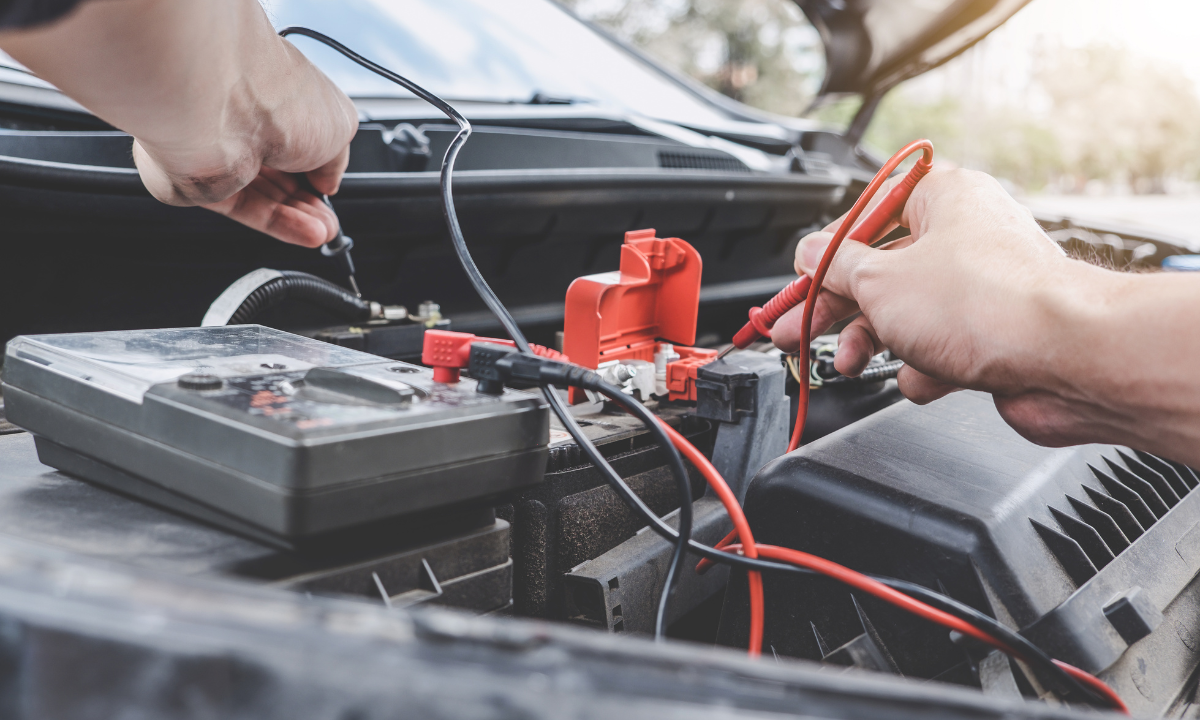
Electrical faults can be challenging to identify without the appropriate equipment. While mechanical issues are easier for technicians to diagnose by visually inspecting components, electrical ones typically require specialist diagnostic scanners, multimeters and wiring diagrams specific to your car make and model.
Assembling equipment to investigate electrical faults may result in misdiagnosis and additional parts replacement costs as well as potential wiring harness damage to a vehicle.
NEEAR electricians possess both the tools and training to address electrical faults systematically, saving both time and money in the process.
Don’t Wait Until It Gets Worse
Electrical issues tend to quickly snowball. What may start out as an occasional flicker or slow start can quickly snowball into no-starting, failed safety systems and broken components throughout a vehicle.
Immediately notify an Automotive Repair Shop if any of your car displays any of these symptoms; early intervention often yields simpler, less-expensive fixes that keep drivers safe on the roads.
Book a professional automobile electric service today to keep your car safe, fully functional, and prevent costly repairs!